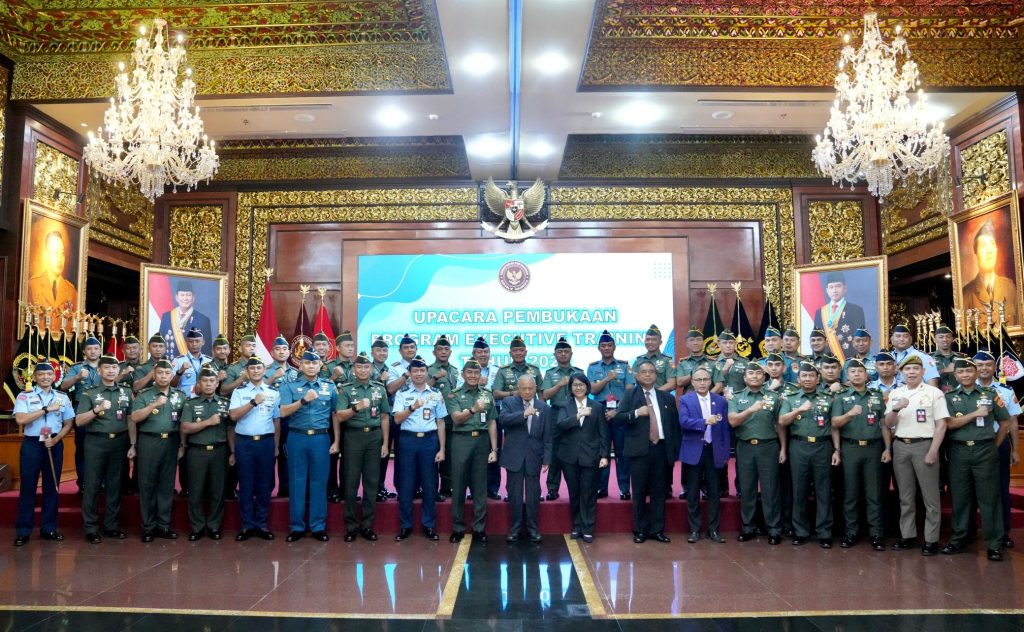
The Executive Training Program 2026, held from 13–24 April 2026, was successfully conducted and officially concluded on Friday, 24 April 2026, at the Pusat Kompetensi Bela Negara BPSDM Kementerian Pertahanan in Rumpin, Bogor Regency, West Java.
This activity represents one of the strategic initiatives to enhance leadership capacity in the field of national defense and security, and was designed to respond to increasingly complex and uncertain global dynamics. The program also emphasizes the importance of human resource readiness in facing various spectrums of modern threats.
The Executive Training Program is the result of a collaboration between Purnomo Yusgiantoro Center (PYC), Badan Pengembangan Sumber Daya Manusia Kementerian Pertahanan Republik Indonesia, and S. Rajaratnam School of International Studies under Nanyang Technological University, Singapore. This collaboration reflects synergy between national and international institutions in developing strategic capacity through cross-country exchange of knowledge and experience.
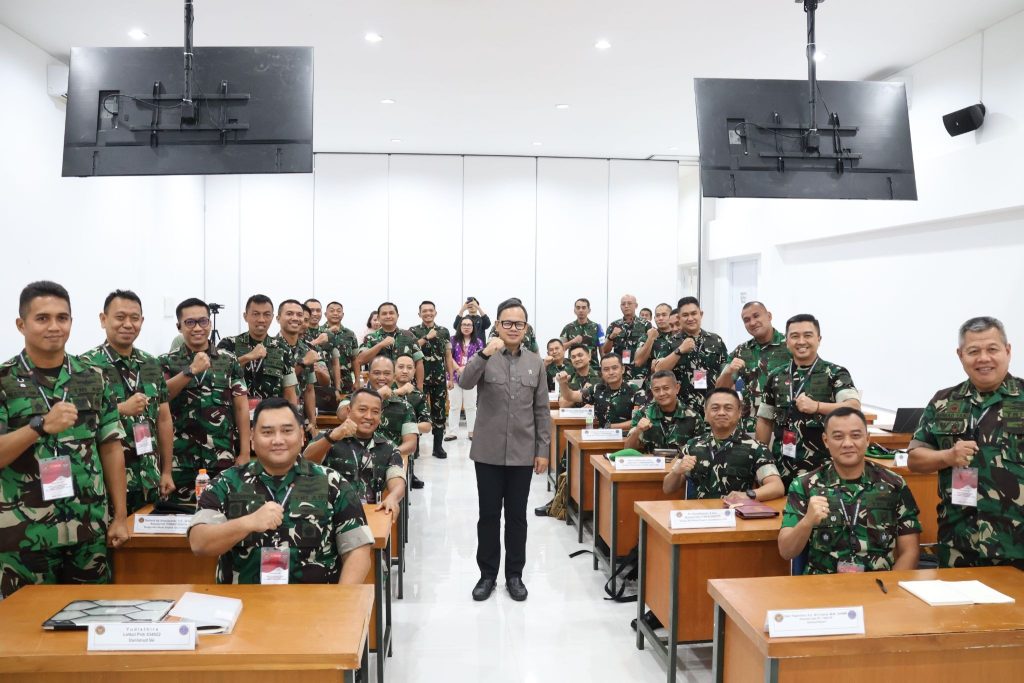
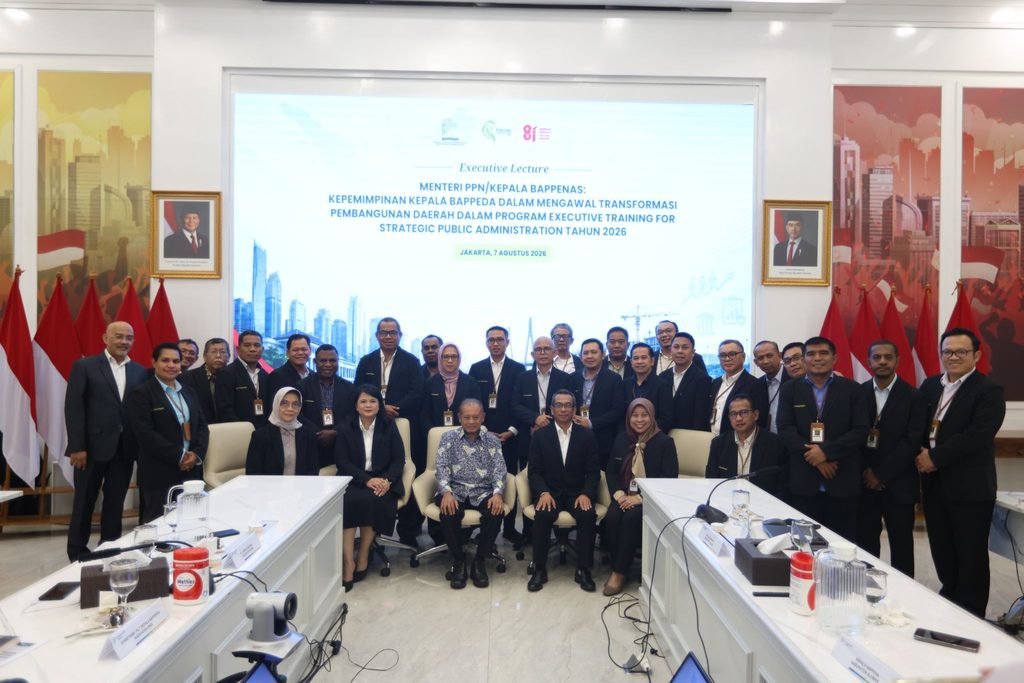
A total of 25 Tentara Nasional Indonesia (TNI) personnel from three branches—the Army, Navy, and Air Force—participated in this program. In addition, three representatives from Dewan Pertahanan Nasional (DPN) were also part of the participants. The participants were mid-level officers holding strategic positions within their respective institutions.
The participants held positions equivalent to District Military Commanders, Naval Base Commanders, and Air Force Base Commanders. These roles require strong strategic analysis and leadership skills in decision-making. Therefore, the program was designed to strengthen their capacity to face real challenges in the field.
The program began with an official opening at Kementerian Pertahanan Republik Indonesia, symbolizing the commencement of the program. Following this, participants attended initial learning sessions at Purnomo Yusgiantoro Center in Jakarta. This phase served as a conceptual foundation before entering more intensive sessions.
Subsequently, the core activities of the program were conducted at Pusat Kompetensi Bela Negara Badan Pengembangan Sumber Daya Manusia Kementerian Pertahanan, located in Rumpin, Bogor. This location was selected to support a focused and integrated learning environment. The setting also enabled participants to undergo training in a disciplined and structured manner.
The program featured speakers from diverse backgrounds, including academia, government, and the military. From academia, experts from S. Rajaratnam School of International Studies (RSIS) were present, along with Edy Prasetyono, Inka B. Yusgiantoro, Hikmahanto Juwana, and Filda C. Yusgiantoro. From the government sector, Vice Minister of Home Affairs Bima Arya Sugiarto and the Deputy for Basic Infrastructure Coordination of Kementerian Infrastruktur dan Pembangunan Kewilayahan also participated. From the military sector, Pusat Kompetensi Bela Negara contributed to delivering training materials.
Throughout the program, participants received briefings on Indo-Pacific geopolitics. This material highlighted regional dynamics and their implications for Indonesia’s national security, discussed comprehensively through both academic and practical approaches.
In addition, non-traditional security threats in Southeast Asia were a key focus of the program. These threats include various aspects such as transnational crime, climate change, and social resilience. Participants were encouraged to understand that modern threats are no longer limited to the military dimension alone.
Materials on cybersecurity and cybercrime also formed an important part of the curriculum, in line with the increasing reliance on digital technology across sectors. Participants were equipped with an understanding of risks and mitigation strategies in addressing cyber threats.
The program also addressed issues of terrorism, extremism, and radicalization, which remain global challenges. Furthermore, maritime security was discussed, given Indonesia’s strategic position as an archipelagic state. Both issues hold high relevance to national and regional stability.
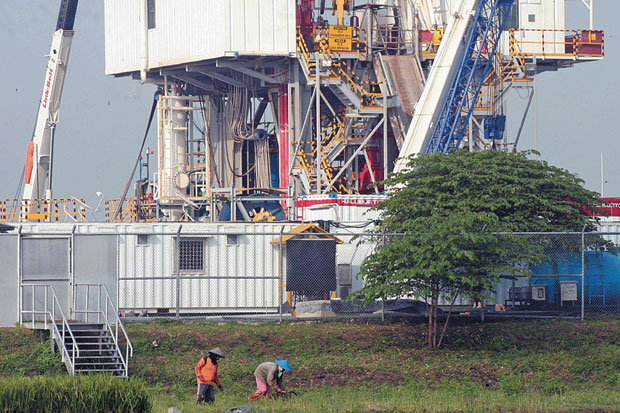
From a national resilience perspective, participants received materials on energy security, development economics, strategic infrastructure, and state defense. These aspects serve as key pillars in maintaining the country’s stability and growth. This understanding is expected to strengthen policy planning at the operational level.
As part of practical learning, participants conducted a field visit to PLTS Terapung Cirata. This activity provided direct insight into the implementation of energy management as part of national resilience, allowing participants to observe the connection between theory and practice in the field.
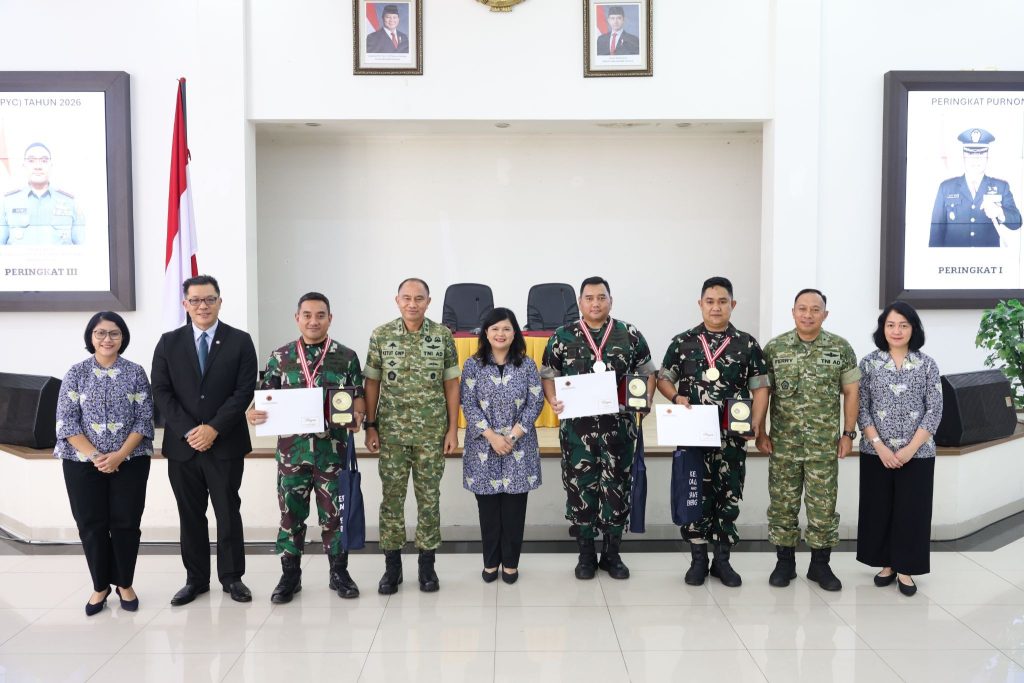
In the final stage of the program, participants developed concrete action plans for state defense. These plans were designed to be implemented within their respective work environments. The program is expected to produce leaders who are adaptive, globally minded, and strongly committed to strengthening Indonesia’s national resilience.The program was officially closed on 24 April 2026 at Pusat Kompetensi Bela Negara, Rumpin, Bogor, by the Head of Badan Pengembangan Sumber Daya Manusia (BPSDM) Kementerian Pertahanan, Major General TNI Ketut Gede Wetan Pastia, the closing ceremony was also attended by the Chair of PYC Filda C. Yusgiantoro, PYC Secretary Amelia Yusgiantoro, PYC Treasurer Febria Oroh, and a representative from S. Rajaratnam School of International Studies, Eddie Lim. In his remarks, Major General TNI Ketut Gede Wetan Pastia emphasized that amid increasingly complex national challenges, the principles of patriotism, unity and cohesion, and national interest must serve as the foundation for determining the nation’s strategic decisions.